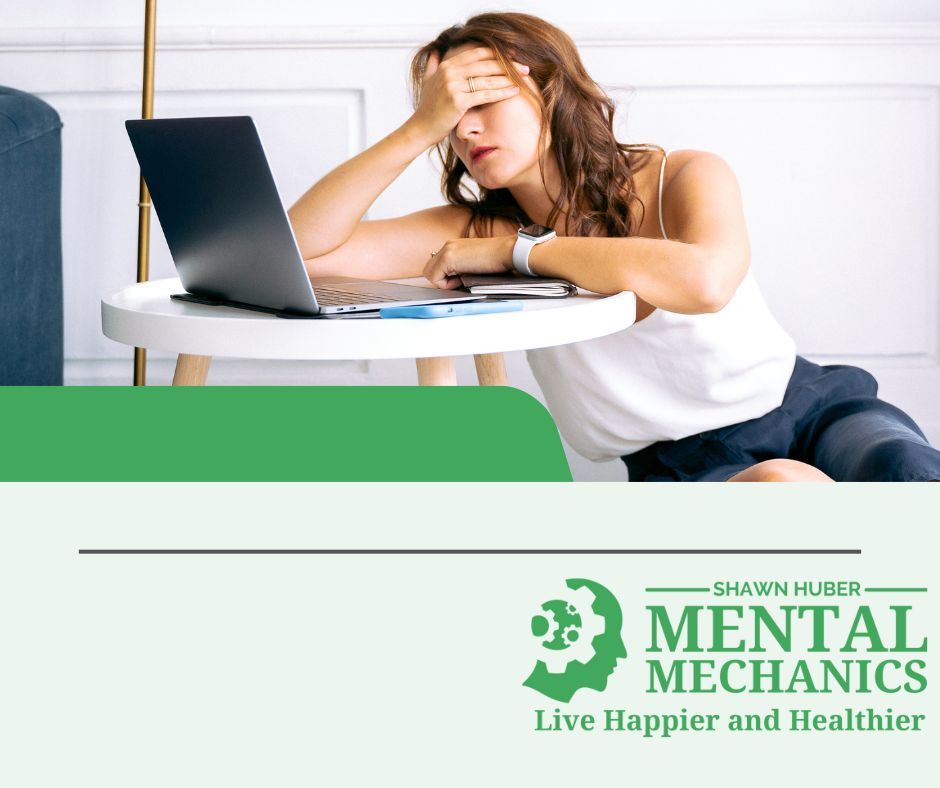
Meet Sarah, an ambitious entrepreneur who poured everything into her business dream. She worked tirelessly—researching, networking, developing plans—sacrificing sleep and self-care for success. When her business finally took off, she discovered a harsh truth that derails many high achievers.
Sarah was burning out. Despite her external success, she felt exhausted, irritable, and overwhelmed. Her epiphany came when she realized that sustainable success requires taking care of yourself first. You can't lead effectively or achieve lasting goals while running on empty.
Understanding the Anxiety-Performance Connection
Anxiety is one of the most common obstacles facing ambitious professionals and entrepreneurs. It manifests as constant worry, fear, and tension that interferes with both daily activities and peak performance. The good news? There are proven techniques to manage anxiety while maintaining your competitive edge.
When anxiety takes hold, it doesn't just affect your mood—it impacts your decision-making, creativity, and leadership abilities. The key is building a toolkit of practical strategies you can use anywhere, anytime.
Coach's Insight
High performers often mistake anxiety management for weakness. In reality, it's the ultimate competitive advantage—allowing you to think clearly under pressure and make better decisions when stakes are high.
The Tapping Technique: Rewire Your Stress Response
Tapping, also known as Emotional Freedom Technique (EFT), involves using your fingertips to tap on specific meridian points while focusing on the anxiety-inducing situation. This technique literally calms your body's stress response by interrupting the fight-or-flight pattern.
The beauty of tapping lies in its customization. Whether you're dealing with presentation nerves, social anxiety, or general overwhelm, you can tailor the process to address your specific triggers. Best of all, it takes just 5-10 minutes and can be done anywhere—even in a bathroom stall before a big meeting.
Basic Tapping Sequence
- Identify the specific anxiety or stress you're feeling
- Rate its intensity from 1-10
- Tap on the karate chop point while stating your problem
- Tap through the sequence of points (top of head, eyebrow, side of eye, under nose, chin, collarbone, under arm)
- Take a deep breath and reassess your stress level
Exercise: Your Natural Anxiety Antidote
Regular physical activity is like a pharmacy in your pocket. Exercise releases endorphins—your body's natural mood elevators—while regulating breathing and reducing physical tension. For busy professionals, this isn't about spending hours in the gym.
Choose activities you actually enjoy: brisk walking, yoga, dancing, or even taking the stairs instead of the elevator. Aim for 30 minutes daily, but remember that even 10-minute movement breaks can shift your mental state dramatically.
Movement isn't just about physical fitness—it's about mental resilience and emotional regulation. — Performance Psychology
Breathing Techniques: Instant Calm in High-Pressure Moments
Your breath is the fastest way to shift from anxiety to clarity. Two techniques stand out for their effectiveness and practicality in professional settings.
Deep Breathing
Inhale deeply through your nose for 4 counts, hold for 4, then exhale slowly through your mouth for 6 counts. This activates your parasympathetic nervous system, signaling safety to your brain.
Diaphragmatic Breathing
Place one hand on your chest, one on your belly. Breathe so that your belly hand rises more than your chest hand. This deeper breathing pattern maximizes oxygen flow and reduces tension.
These techniques work particularly well during stressful situations—before important calls, during conflicts, or when feeling overwhelmed by your to-do list.
Guided Meditation: Training Your Mental Focus
Guided meditation isn't about emptying your mind—it's about training your attention. For high performers, this translates to better focus, improved decision-making, and greater emotional regulation under pressure.
Start with just 10 minutes daily using apps like Headspace or Calm, or follow guided sessions on YouTube. The key is consistency, not duration. A regular 10-minute practice beats sporadic hour-long sessions every time.
Think of meditation as mental strength training. Just as you wouldn't expect to bench press your bodyweight without training, mental resilience requires consistent practice.
The Hydration Factor: Simple But Critical
Dehydration amplifies anxiety symptoms—headaches, fatigue, and irritability all worsen when you're not properly hydrated. This seems almost too simple, but drinking adequate water is foundational to mental clarity.
Aim for at least 8 glasses daily, but adjust based on your activity level and environment. Keep a water bottle visible as a constant reminder. Many professionals find that drinking water also serves as a natural pause—a moment to reset between intense work sessions.
Key Takeaways
- Anxiety management is a competitive advantage, not a weakness
- Tapping (EFT) can interrupt your stress response in real-time
- Just 30 minutes of daily exercise provides natural mood regulation
- Breathing techniques offer instant anxiety relief in high-pressure moments
- Consistent meditation builds long-term mental resilience
- Proper hydration prevents anxiety amplification
Building Your Personal Anxiety Management System
Like Sarah's business success, managing anxiety effectively requires a systematic approach. These tools work best when customized to your lifestyle, preferences, and specific triggers. Start with one or two techniques that resonate most, then gradually build your complete toolkit.
Remember: the goal isn't to eliminate anxiety entirely—it's to transform it from a roadblock into useful information that helps you perform at your best when it matters most.
Ready to Master Your Mental Game?
Stop letting anxiety derail your success. Let's build a personalized system that turns stress into your competitive advantage.
Schedule a Free Call