We've all heard the phrase "count your blessings," but it's easy to get caught up in the hustle and bustle of life that we forget to actually do it. Gratitude isn't just a nice sentiment—it's a powerful tool that directly impacts your attitude and how you show up for others.
Creating a structured gratitude practice goes beyond simply listing what you're thankful for. It's about building mental awareness and intentionally shifting your focus from daily stress to the experiences that truly matter. Let's break down exactly what an effective gratitude list looks like and how to build one that creates lasting change.
Understanding Your Current Emotional State
Before you can appreciate where you're going, you need to know where you are. The foundation of any meaningful gratitude practice starts with honest self-assessment.
The Awareness Question
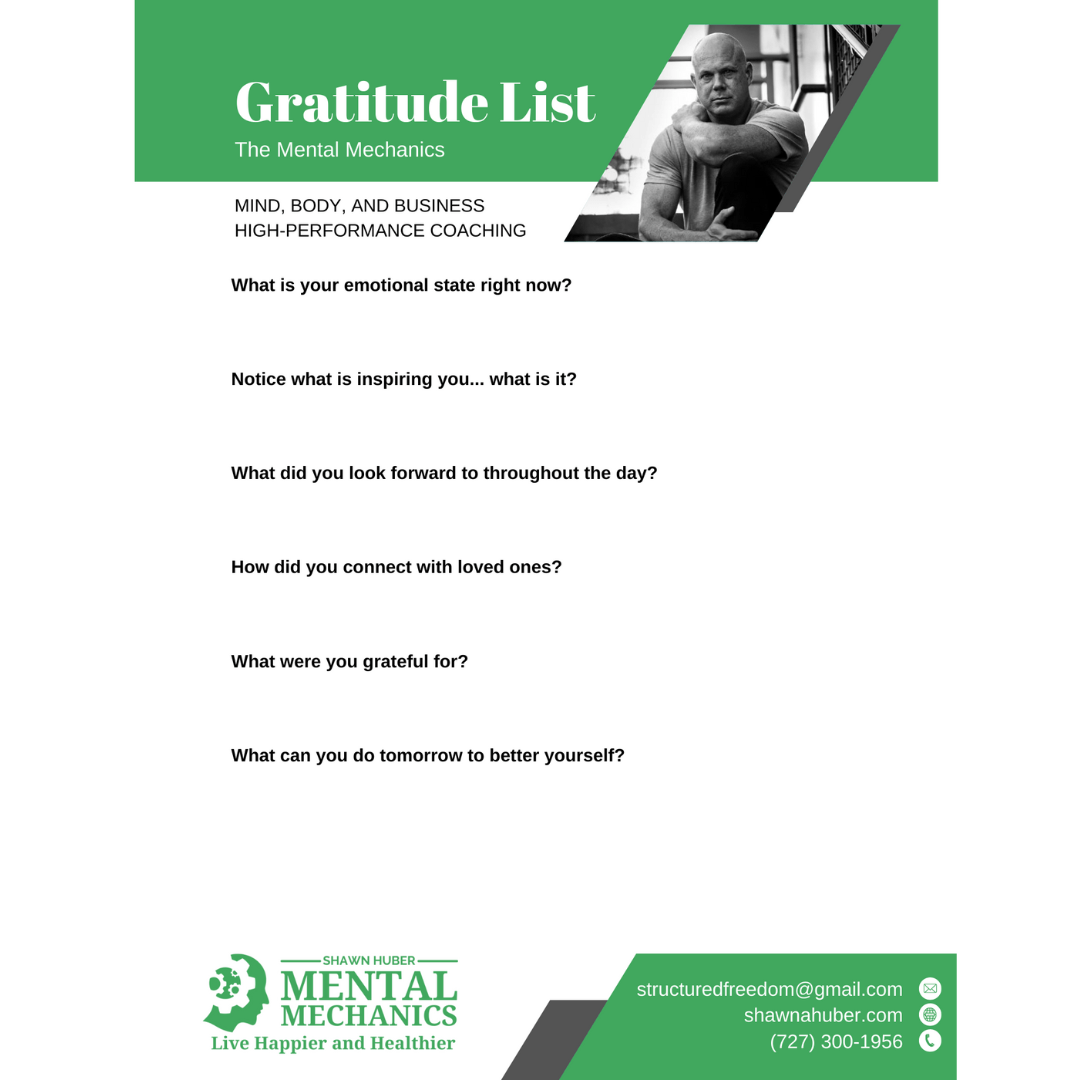
Ask yourself: "What is my emotional state, right now?" This simple question moves you from autopilot to heightened awareness.
This awareness check helps you transition from the daily grind to a more conscious state of being. When you understand your starting point, you can better appreciate the shift that gratitude creates in your mindset.
The 6-Step Gratitude List Framework
An effective gratitude list follows a specific structure that engages multiple aspects of your daily experience. Here's the step-by-step process:
Assess Your Emotional State
Begin by checking in with yourself. Write down how you're feeling in this moment—without judgment, just awareness.
Notice What Inspired You
Identify moments from your day that lifted your spirits. Write in detail about why these experiences inspired you. Be as descriptive as possible—this helps ground you in the sensory richness of life beyond your internal dialogue.
Record What You Looked Forward To
Anticipation is often as powerful as the experience itself. Reflect on the moments throughout your day that made you feel good—maybe seeing your dog when you got home, or receiving appreciation from your boss.
Reflect on Connections with Loved Ones
Write about how you connected with people who bring you joy. Consider the frequency of your interactions, meaningful conversations, or even the time you spend thinking about them.
List Specific Things You're Grateful For
Go beyond generic appreciation. If you're grateful for your job, mention specific aspects that make it great. If it's family, note recent actions that brought you happiness. Specificity amplifies gratitude's impact.
Plan Tomorrow's Self-Improvement Action
End by committing to one specific action you'll take tomorrow to better yourself or your situation. This transforms gratitude from reflection into forward momentum.
Making Your Gratitude Practice Stick
The difference between a gratitude list that creates change and one that becomes just another task lies in your approach. When you're feeling drained or overwhelmed, it's natural to focus on stress and forget the positive experiences happening around you.
When we take time to reflect on positive experiences and remember why we're grateful for them, we feel happier and more fulfilled. — The Power of Intentional Gratitude
Remember, life extends far beyond your internal dialogue. It's about what you see, hear, touch, taste, and experience. Your gratitude practice should engage all these dimensions to create lasting mental shifts.
Key Takeaways
- Start each gratitude session by assessing your current emotional state
- Use specific, detailed descriptions rather than generic appreciation
- Include anticipation and connections, not just completed experiences
- Always end with a concrete action plan for tomorrow
- Focus on sensory experiences beyond your internal thoughts
Ready to Build Real Mental Awareness?
Take the free 5-Day Mental Wellness Reset and start building the mental systems that drive lasting success.
Start the Free Challenge